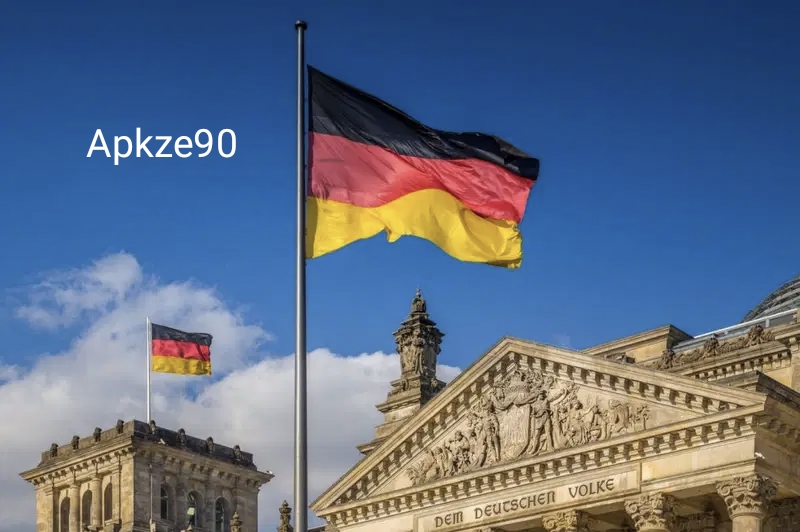
How to Choose the Best Course in Germany?
Germany has become one of the most attractive destinations for international students seeking world-class education and strong career prospects. Known for academic excellence, industry-driven programs, and affordable public universities, Germany offers unmatched opportunities for students who want stable, high-paying jobs after graduation.
If you are planning to study abroad and want a degree that leads to strong employment and global career growth, this detailed guide will help you choose the right path.
In this article by apkbaby.com, we explore the top 10 courses to study in Germany that lead to high-paying jobs, why they are in demand, career prospects, salary potential, and future growth opportunities.
Why Study in ?
Before choosing a course, it’s important to understand why Germany stands out:
- Public universities offer low or no tuition fees
- Strong economy and industrial base
- Globally recognized degrees
- Strong research and innovation culture
- High employability rate for graduates
- 18-month post-study job-seeking visa
- Pathway to EU work and residence
Germany is home to global corporations like , , , , , , and , creating endless job opportunities for skilled graduates.
Now let’s explore the best degree programs.
1. Mechanical Engineering
Why It’s in High Demand
Germany is globally recognized as an engineering powerhouse. Mechanical Engineering is one of the most respected and employable degrees in the country.
The nation leads in:
- Automotive manufacturing
- Industrial machinery
- Robotics
- Advanced production systems
What You Study
- Thermodynamics
- Fluid Mechanics
- Manufacturing Technology
- Robotics & Automation
- Product Design
- Materials Science
Career Opportunities
Graduates work in:
- Automotive industry
- Aerospace
- Industrial automation
- Renewable energy
- Manufacturing plants
Salary Outlook
Mechanical engineers in Germany can earn between €50,000–€85,000 per year depending on experience.
2. Computer Science & IT
Why It’s Growing Rapidly
Germany’s tech ecosystem is expanding rapidly. Major cities like Berlin and Munich are startup hubs, and there is high demand for:
- Software Developers
- Cybersecurity Specialists
- Data Analysts
- Cloud Engineers
Key Specializations
- Artificial Intelligence
- Cybersecurity
- Software Engineering
- Data Science
- Blockchain Technology
Universities collaborate with global tech companies, giving students real-world exposure.
Career Prospects
Graduates find jobs in:
- Tech startups
- Multinational IT firms
- AI research centers
- Financial technology companies
Salary Range
IT professionals typically earn €60,000–€100,000 annually depending on skills and experience.
3. Business Administration & Management
Why It’s a Smart Choice
Germany has one of the strongest economies in Europe. Studying Business here gives you exposure to:
- International trade
- European markets
- Global finance
- Corporate strategy
Core Subjects
- Finance
- Marketing
- Human Resource Management
- International Business
- Entrepreneurship
Career Opportunities
Graduates work in:
- Investment firms
- Consulting companies
- Multinational corporations
- Banks and financial institutions
Salary Potential
Business graduates earn around €45,000–€90,000 annually.
4. Electrical Engineering
Why It Matters
Electrical Engineering drives innovation in:
- Renewable energy
- Robotics
- Telecommunications
- Smart grids
Germany’s focus on green energy makes this field highly valuable.
What You Learn
- Power systems
- Electronics
- Embedded systems
- Automation
- Renewable energy systems
Career Path
Electrical engineers work in:
- Energy companies
- Robotics firms
- Manufacturing industries
- Tech research labs
Salary Estimate
Average salaries range between €55,000–€95,000 per year.
5. Medicine & Healthcare
Why Choose Medicine in Germany?
Germany faces a shortage of healthcare professionals, especially doctors and specialists.
Medical education is rigorous and research-driven.
Requirements
- Strong academic background
- German language proficiency (usually C1 level)
- Entrance qualification recognition
Career Outlook
- Doctors
- Surgeons
- Specialists
- Public health experts
Salary Potential
Doctors in Germany can earn €70,000–€150,000 annually depending on specialization.
6. Artificial Intelligence & Machine Learning
A Future-Proof Career
AI is transforming industries such as:
- Finance
- Healthcare
- Logistics
- Manufacturing
Germany invests heavily in AI innovation and smart technologies.
What You Study
- Deep Learning
- Neural Networks
- Big Data
- Predictive Analytics
- Robotics AI
Career Roles
- AI Engineer
- Machine Learning Engineer
- Data Scientist
- Research Scientist
Salary Range
AI professionals can earn €70,000–€120,000 annually.
7. Automotive Engineering
Germany = Automotive Leader
Germany is globally known for its automotive industry. Brands like BMW and Mercedes-Benz offer direct internship and job opportunities.
Course Highlights
- Vehicle design
- Electric vehicles
- Autonomous systems
- Engine technology
- Sustainable mobility
Career Scope
- Automotive design engineer
- EV specialist
- Research engineer
- Production manager
Salary
€55,000–€100,000 per year.
8. Environmental Engineering
Why It’s Important
Germany leads in renewable energy and sustainability initiatives.
Focus Areas
- Waste management
- Water treatment
- Climate change mitigation
- Sustainable urban planning
Job Opportunities
- Environmental consultant
- Sustainability analyst
- Government agencies
- Green tech companies
Salary
€50,000–€85,000 annually.
9. Architecture
Why Study Architecture in Germany?
Germany combines modern innovation with historic design.
Programs emphasize:
- Green building
- Energy-efficient construction
- Urban planning
- Sustainable materials
Career Path
- Architect
- Urban planner
- Interior designer
- Project manager
Salary Range
€45,000–€90,000 per year.
10. Psychology
Growing Demand Globally
Mental health awareness is increasing worldwide, including Germany.
Specializations
- Clinical Psychology
- Organizational Psychology
- Educational Psychology
- Counseling
Career Opportunities
- Clinical therapist
- HR specialist
- Researcher
- Academic professional
Salary
€40,000–€80,000 annually depending on role.
How to Choose the Right Course?
When selecting a course in Germany, consider:
- Your interest and strengths
- Job market demand
- Language requirements
- Internship opportunities
- Long-term career goals
If you want maximum job security and salary growth, technical fields like Engineering, AI, and IT are highly recommended.
Admission Requirements for Germany (General Overview)
- Recognized academic qualification
- English or German language proficiency (IELTS/TOEFL or TestDaF)
- Statement of Purpose
- Academic transcripts
- APS (for some countries)
- Student visa
After graduation, international students can apply for an 18-month job-seeking visa, allowing them to find employment in Germany.
Why Germany Is Ideal for International Students in 2026
- Stable economy
- Safe environment
- High quality of life
- Research-driven universities
- Strong employment rate
For detailed study abroad guides, visa processes, and scholarship updates, visit apkbaby.com for the latest information and step-by-step tutorials.
Frequently Asked Questions (FAQ)
1. Which course in Germany has the highest salary?
AI, Computer Science, Medicine, and Engineering typically offer the highest salaries.
2. Is Germany good for international students?
Yes. Germany offers affordable education, strong job opportunities, and high living standards.
3. Can I stay in Germany after graduation?
Yes, international students can apply for an 18-month job search visa.
4. Do I need German language for all courses?
Not necessarily. Many programs are taught in English, but German improves job prospects.
5. Is Germany better than other European countries for technical studies?
Germany is among the top European countries for engineering and research-based programs.
Final Thoughts
Germany remains one of the best countries in the world for students who want high-quality education with strong earning potential. Whether you choose Mechanical Engineering, AI, Medicine, or Business, Germany provides a strong foundation for global career success.
If you’re serious about studying in Germany and building a high-paying career in Europe, start planning early.
For more updated education guides, scholarship news, visa processes, and international career tips, explore detailed resources on apkbaby.com.