What Are 48-Hour and 96-Hour UAE Transit Visas? Apkze90
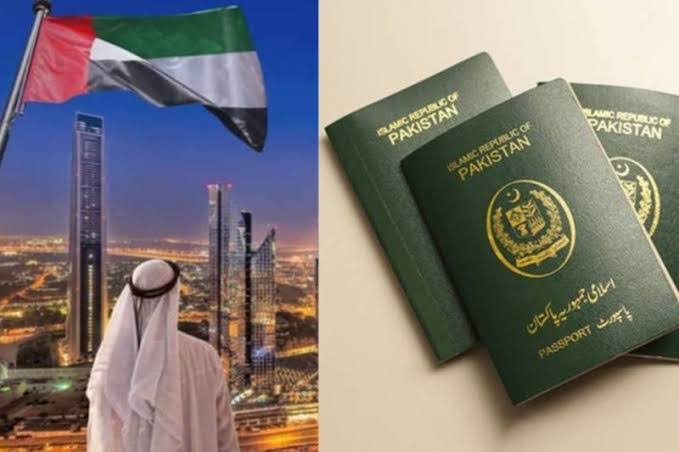
The United Arab Emirates has reportedly paused the issuance of 48-hour and 96-hour transit visas for Pakistani passport holders, creating uncertainty among travelers who rely on short stopovers in Dubai and other UAE cities. While no detailed public statement has yet clarified the full reasoning behind this temporary restriction, the development has raised important questions for tourists, job seekers, business travelers, and transit passengers.
Transit visas have long provided a convenient option for passengers traveling through UAE airports on their way to other international destinations. These short-duration permits allowed travelers to exit the airport and stay in the country for two or four days before continuing their journey. The suspension of these categories may affect travel planning, airline bookings, hotel reservations, and business schedules.
This comprehensive guide explains what transit visas are, who is affected, possible reasons behind the suspension, alternatives available, impact on travelers, and what Pakistani passport holders should do next. It also explores the broader immigration context, airline policies, and practical travel planning advice for 2026.
What Are 48-Hour and 96-Hour UAE Transit Visas?
Transit visas are short-term entry permits issued to passengers who are passing through the UAE while traveling to another country. These visas are typically arranged through airlines operating in the UAE, especially for passengers flying with UAE-based carriers.
The 48-hour transit visa allowed travelers to remain in the UAE for up to two days, while the 96-hour visa extended that stay to four days. These visas were particularly popular among travelers with long layovers who wanted to explore Dubai, Abu Dhabi, or other cities rather than wait inside airport terminals.
Unlike tourist visas, transit visas were limited in duration and strictly tied to confirmed onward travel bookings. Applicants were required to show proof of a valid ticket to a third destination. Because of their short duration and structured purpose, these visas were considered convenient and affordable.
For many Pakistani travelers heading to Europe, North America, or Africa, the UAE serves as a major transit hub. The suspension of these visa categories therefore has practical implications for thousands of passengers each month.
Who Is Affected by the Temporary Suspension?
The suspension specifically impacts Pakistani passport holders seeking 48-hour or 96-hour transit visas. Travelers who planned short stopovers in the UAE as part of multi-leg journeys may now need to adjust their travel strategies.
This does not automatically mean that all UAE visa categories are suspended. Tourist visas, visit visas, employment visas, and residency permits may continue under existing rules unless officially stated otherwise. However, travelers must verify the latest information through official channels before making bookings.
Students, business travelers, and overseas workers often use short transit stays for meetings or brief visits with relatives. The restriction may increase travel costs if alternative visa categories are required or if layovers must be shortened.
Passengers transiting without exiting the airport and remaining in the international transit zone may not be directly affected. However, those planning to leave the airport during layovers must carefully review new rules before traveling.
Possible Reasons Behind the Policy Change
Although no detailed public explanation has been widely released, immigration policies are often adjusted based on security assessments, administrative reviews, diplomatic considerations, or compliance concerns.
Transit visa suspensions can occur for several reasons. Governments sometimes review visa categories if there are concerns about misuse, overstays, or irregular travel patterns. Short-duration visas are occasionally examined to ensure compliance with immigration standards.
Another possibility could involve administrative system updates or digital processing reforms. Visa platforms are frequently upgraded, and temporary pauses may occur during policy transitions.
It is also important to consider broader regional and global immigration trends. Many countries regularly update visa policies to strengthen documentation requirements, improve border control systems, or align with evolving international travel regulations.
Until an official statement provides clarity, travelers should avoid speculation and rely only on verified sources for updates.
Impact on Pakistani Travelers in 2026
The UAE is one of the busiest transit hubs in the world. Dubai International Airport and Abu Dhabi International Airport connect Asia, Europe, Africa, and the Americas. Pakistani travelers frequently use these routes due to airline connectivity and competitive fares.
The suspension of short transit visas may influence travel decisions in several ways. Travelers might choose shorter layovers that do not require exiting the airport. Others may opt for direct flights, even if they are more expensive.
Families planning vacations with brief Dubai stopovers may need to apply for full tourist visas instead. Business travelers may need to adjust meeting schedules or secure different entry permits.
Additionally, travel agencies may need to update package offers that previously included short UAE stays as part of international itineraries.
Alternative Options for Travelers
If transit visas are temporarily unavailable, travelers can explore alternative solutions depending on their purpose of travel.
One option is applying for a standard tourist visa, which allows a longer stay. However, this may involve additional documentation and processing time.
Another approach is selecting flight connections that do not require exiting the airport. Many airports allow passengers to remain airside during long layovers without needing a transit visa, provided they do not pass through immigration control.
Travelers may also consider routing through alternative transit hubs in other countries if UAE stopovers become impractical.
Before making any decision, passengers should confirm airline policies, baggage transfer rules, and visa requirements for both departure and destination countries.
Travel Planning Tips During Visa Uncertainty
When visa rules change, careful planning becomes essential. Travelers should avoid booking non-refundable hotels or tours until visa confirmation is secured.
Checking official airline websites and authorized visa service platforms regularly can help ensure accurate information. Policies can change quickly, so relying on outdated sources may cause complications.
Keeping travel insurance updated is also important. Insurance coverage may assist with unexpected schedule adjustments due to policy changes.
Maintaining flexible flight tickets can reduce financial risk during periods of regulatory uncertainty.
Broader Context of UAE-Pakistan Travel Relations
The UAE and Pakistan share long-standing economic and social ties. Millions of Pakistanis live and work in the UAE, contributing significantly to both economies. Remittances from overseas workers form an important part of Pakistan’s foreign exchange inflows.
Because of these strong ties, visa developments attract significant attention. However, temporary adjustments do not necessarily signal long-term changes in bilateral relations.
Immigration systems worldwide evolve regularly. Short-term restrictions may later be revised, clarified, or replaced with updated procedures.
Travelers should focus on verified information rather than assumptions and ensure compliance with current requirements.
What Applicants Should Do Now
Pakistani travelers planning to transit through the UAE should:
- Check official airline websites for updated visa information
- Confirm whether airport-only transit without exit is permitted
- Explore alternative visa categories if necessary
- Monitor official announcements for updates
- Avoid submitting applications under suspended categories
Staying informed through reliable sources reduces the risk of travel disruption.
Frequently Asked Questions
Is the UAE completely closed to Pakistani travelers?
No official information suggests a complete closure. The reported suspension relates specifically to certain transit visa categories. Other visa types may still be available.
Can I transit without a visa if I do not leave the airport?
In many cases, passengers who remain inside the international transit zone do not require a transit visa. However, airline and airport rules must be confirmed before travel.
How long will the suspension last?
No official timeline has been publicly confirmed. Travelers should monitor official channels for updates.
Can I apply for a tourist visa instead?
Yes, if eligible, travelers may apply for a tourist visa depending on their purpose and travel plans.
Conclusion
The reported suspension of 48-hour and 96-hour transit visas for Pakistani passport holders introduces temporary uncertainty for travelers using UAE airports as transit hubs. While the exact reasons remain officially unspecified, such policy changes are not uncommon in global immigration systems.
Travelers should approach the situation with informed planning rather than concern. By verifying official sources, considering alternative visa categories, and adjusting travel arrangements where necessary, passengers can continue their journeys smoothly.
Visa regulations evolve regularly, and temporary measures may change in the future. Staying updated is the most effective strategy for minimizing disruption.