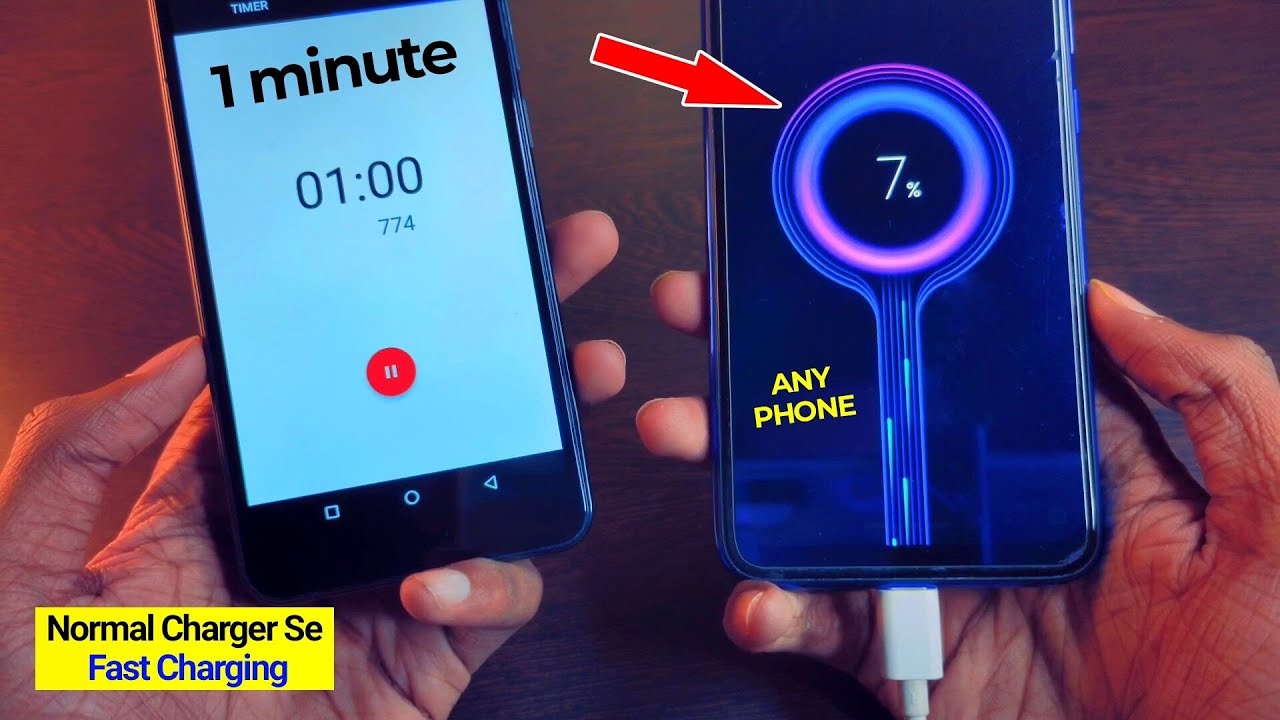
How Fast Charging Apps Work on Android Devices
Smartphones have become an essential part of daily life, but one problem continues to frustrate Android users worldwide — slow battery charging. Whether you use your phone for social media, gaming, business, or content creation, waiting hours for your battery to recharge can seriously affect productivity. Modern Android devices include powerful processors and high-resolution displays, but these improvements also increase battery consumption. As a result, users constantly look for practical solutions that can help speed up charging without damaging battery health. This is where fast charging Android applications play an important role. Fast charging apps are specially designed tools that optimize system performance during charging by limiting background activity and reducing unnecessary power usage. Instead of increasing hardware voltage, these apps improve efficiency so that maximum power goes directly into charging the battery. Many users notice faster charging results simply because hidden apps and services stop consuming energy while the device is plugged in. In this detailed guide, we will explore the best Android fast charging apps, explain how they work, discuss real benefits, and share expert tips to improve charging performance safely. If your phone takes too long to charge or battery drain feels excessive, this complete guide will help you understand how to optimize your Android charging experience effectively and safely in 2026.
Why Smartphone Batteries Charge Slowly
Slow charging is not always caused by a weak charger or damaged battery. In most cases, smartphone charging speed decreases because multiple processes continue running in the background while the device is connected to power. Android operating systems constantly synchronize emails, update applications, track location data, maintain network connections, and refresh notifications. All these activities consume electricity even during charging, which means the battery receives less net power. Over time, users install dozens of applications that remain active without notice, including social media platforms, cloud backups, messaging apps, and analytics services. These processes increase CPU workload and generate heat, and heat is one of the biggest enemies of fast charging efficiency. When temperature rises, charging speed automatically slows down to protect battery health. Screen brightness is another major factor because displays consume a significant portion of incoming power. Additionally, Bluetooth, GPS, mobile data, and Wi-Fi connections continuously exchange signals that drain energy during charging sessions. Poor charging habits such as gaming while charging or using low-quality cables further worsen the situation. Fast charging applications address these problems by intelligently managing system resources. They temporarily pause energy-consuming features so the battery receives maximum charging input. Understanding these causes helps users realize that improving charging speed often depends more on software optimization rather than hardware replacement.
How Fast Charging Apps Actually Work
Many people mistakenly believe fast charging apps magically increase electrical power flowing into a smartphone battery. In reality, these applications work through optimization techniques rather than hardware modification. When a fast charging app detects that a charger is connected, it activates a performance-saving mode that restricts unnecessary energy consumption across the system. The app automatically closes background applications, reduces processor workload, lowers display brightness, and disables wireless connectivity features that are not required during charging. By doing so, the device consumes significantly less power internally, allowing incoming electricity to focus mainly on battery storage instead of system operation. Another important function involves temperature control. Excess heat reduces charging efficiency and forces Android safety mechanisms to slow charging speed. Fast charging apps minimize heat generation by limiting multitasking operations and CPU usage. Some advanced apps also monitor voltage flow and provide real-time analytics showing charging status, battery temperature, and estimated completion time. This transparency allows users to understand charging behavior better. Although these apps cannot transform a standard charger into ultra-fast hardware charging technology, they can noticeably reduce charging time through intelligent energy management. Essentially, fast charging applications create an optimized environment where power waste decreases and charging efficiency improves, resulting in quicker battery replenishment without compromising long-term battery health.
Benefits of Using Android Fast Charging Apps
Installing a reliable fast charging application offers several advantages beyond simply reducing charging time. One of the biggest benefits is improved battery lifespan because optimized charging reduces overheating and prevents unnecessary power cycles. Heat buildup is known to degrade lithium-ion batteries over time, so maintaining cooler charging conditions helps preserve long-term performance. Fast charging apps also enhance device stability by stopping unused applications that silently consume memory and processor resources. Many users notice smoother performance after using these tools regularly because background clutter decreases significantly. Another benefit is convenience. Most fast charging apps include one-tap optimization, meaning users do not need technical knowledge to manage system settings manually. With a single button press, connectivity services such as GPS, Bluetooth, and auto-sync temporarily pause during charging sessions. Additionally, these apps often include battery health monitoring features that display temperature levels, charging current, and estimated battery life remaining. Such insights help users adopt better charging habits. Power saving modes also extend battery usage after charging completes, allowing phones to last longer throughout the day. For users with older smartphones lacking built-in fast charging technology, these applications provide noticeable improvement without purchasing new hardware. Overall, fast charging apps combine efficiency, convenience, and battery protection, making them valuable tools for everyday Android users seeking faster and safer charging solutions.
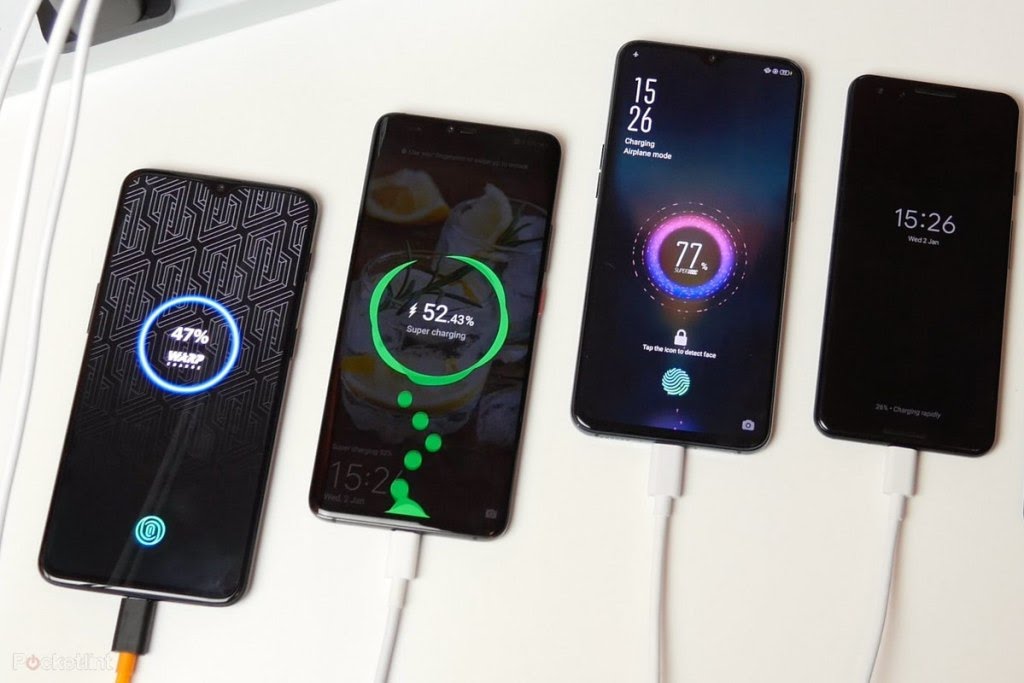
Battery Doctor (Power Saver) – Complete Overview
Battery Doctor remains one of the most widely recognized battery optimization applications available for Android devices. Designed to deliver intelligent power management, the app focuses on extending battery life while improving charging efficiency simultaneously. Battery Doctor analyzes system behavior in real time and identifies applications responsible for excessive battery consumption. During charging sessions, the application automatically activates optimization mode, which shuts down unnecessary background processes and stabilizes power usage. One of its strongest features is one-tap optimization that instantly applies recommended settings without requiring manual configuration. Users also receive detailed insights regarding charging progress, estimated remaining charging time, and battery temperature conditions. The app’s charging protection system prevents overuse of resources while plugged in, reducing heat buildup that normally slows charging speed. Another advantage lies in its user-friendly interface, making it suitable even for beginners unfamiliar with technical adjustments. Battery Doctor also includes battery usage history, allowing users to track long-term performance trends and identify problematic applications. Millions of Android users rely on this application because it combines charging optimization with daily battery management tools. Instead of functioning solely as a charger booster, Battery Doctor acts as a complete battery assistant that helps maintain device efficiency, extend usage duration, and improve charging performance through smart energy control mechanisms.
Fast Charger Apps and Charging Optimization Technology
Fast charger applications such as Fast Charger, Charging Master, and Fast Charging Booster operate using similar optimization technologies but differ slightly in interface and automation capabilities. These apps focus primarily on minimizing energy waste the moment charging begins. Once activated, they scan running applications and immediately terminate processes consuming high CPU or memory resources. Many of these tools also disable automatic synchronization services that frequently refresh emails, cloud storage, and social media updates in the background. By suspending these operations temporarily, charging efficiency improves significantly. Some advanced versions offer customizable charging modes allowing users to select aggressive optimization or balanced performance depending on their needs. Another useful feature found in modern fast charger apps is intelligent notification alerts that inform users when charging reaches optimal levels or when overheating occurs. Certain applications even include memory cleaners and CPU coolers that further enhance system stability. While each app may promise ultra-fast charging results, the real benefit comes from consistent power management rather than exaggerated speed claims. Users who regularly charge phones overnight or during work hours particularly benefit from automated optimization because the device remains idle yet efficiently charged. Overall, fast charger apps provide practical solutions for improving charging speed through smarter resource allocation rather than hardware modification.
Ultra Fast Charging and Battery Saver Applications
Ultra fast charging applications combine battery optimization with performance enhancement tools to deliver an all-in-one mobile maintenance solution. These apps go beyond simple charging acceleration by integrating system cleanup features, RAM optimization, and thermal control technologies. During charging sessions, the application reduces processor intensity, switches to darker interface elements to minimize display power usage, and temporarily blocks resource-heavy applications from running. Many ultra fast charger apps also include cooling mechanisms designed to lower CPU temperature by controlling background activity. Reduced heat allows batteries to accept power more efficiently, resulting in quicker charging cycles. Another advantage is battery health monitoring, which informs users about charging habits that may negatively impact longevity. Some apps provide smart charging reminders encouraging users to unplug devices once optimal levels are reached, preventing overcharging stress. Additionally, integrated battery saver modes extend usage time after charging completes, ensuring longer operational hours throughout the day. These multifunctional applications are particularly beneficial for users who rely heavily on smartphones for gaming, streaming, or professional work. By maintaining system balance during charging and regular usage, ultra fast charging apps help improve both immediate charging speed and overall device performance, making them popular choices among Android users seeking comprehensive battery management solutions.
Tips to Increase Charging Speed Without Apps
Although fast charging apps provide useful optimization, users can significantly improve charging performance by following proper charging habits. One of the most effective methods is enabling airplane mode while charging because network signals constantly consume energy even when the phone is idle. Turning off wireless connections such as Wi-Fi and Bluetooth further reduces power usage. Using the original manufacturer charger ensures stable voltage delivery, as low-quality cables often limit charging speed. Avoiding phone usage during charging is equally important because gaming, video streaming, or browsing increases processor activity and generates heat. Removing protective cases can also help prevent temperature buildup that slows charging efficiency. Keeping software updated ensures better battery management through improved system optimization. Charging from wall sockets instead of laptops or power banks typically provides stronger current flow. Maintaining battery levels between moderate ranges rather than allowing complete discharge also supports long-term health. These simple habits, combined with fast charging apps, create optimal conditions for efficient charging. Users who consistently apply these practices often notice dramatic improvements without investing in new hardware or replacing batteries prematurely.
Do Fast Charging Apps Really Work?
The effectiveness of fast charging apps depends largely on user expectations. These applications cannot convert a standard device into hardware-level fast charging technology like modern high-wattage charging systems. However, they do improve charging efficiency by minimizing energy waste. Independent testing shows that reducing background activity can shorten charging duration noticeably, especially on older devices with numerous installed applications. Users frequently observe faster charging because incoming power is no longer shared between battery storage and active processes. Additionally, reduced heating allows Android’s safety system to maintain higher charging speeds consistently. While marketing claims may exaggerate results, real performance improvement typically ranges between moderate but noticeable levels depending on device condition. Fast charging apps are therefore best viewed as optimization tools rather than miracle solutions. When combined with proper charging habits and quality accessories, they contribute to smoother charging experiences and improved battery longevity. Understanding realistic expectations helps users benefit from these applications without misunderstanding their purpose.
Conclusion
Fast charging Android apps have become valuable tools for smartphone users facing slow charging issues. By intelligently managing background processes, reducing system workload, and controlling temperature levels, these applications create ideal charging conditions that improve efficiency. While they cannot replace hardware fast charging technology, they provide practical improvements that enhance everyday usability. Choosing reliable apps, maintaining good charging habits, and monitoring battery health together ensure optimal performance. As smartphones continue evolving, software-based optimization remains an effective method for maximizing battery efficiency. Whether you use Battery Doctor, Charging Master, or Ultra Fast Charger apps, implementing smart charging strategies can significantly reduce waiting time and extend device lifespan.
